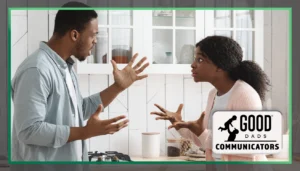

Valentine’s Day can be one of the most romantic days of the year — or one of the most disappointing. Often, the difference has less to do with flowers, candy or dinner reservations and more to do with whether we feel truly seen, heard and valued by the person we love.
Consider these common Valentine’s Day conversations:
- “Who said anything about wanting flowers for Valentine’s Day? If you want to give me something, how about agreeing to clean the kitchen and bathrooms for a week?”
- “Why do you want flowers? They’re overrated and overpriced on Valentine’s Day. Why should we be slaves to traditions that mainly profit retailers?”
- “You know, there were lots of flower deliveries at work today, and I couldn’t help wondering why I never receive any. Why is that so hard for you to remember?”
Valentine’s Day has the potential to stir up many emotions
For one thing, there is persistent hype and pressure from media and advertisers encouraging us to do something special for the person we love.
Second, there is our personal history with Valentine’s Day. Did you grow up watching one of your parents consistently celebrate the day with romantic gestures? Did you have a former partner with big expectations surrounding the holiday?
Third, there is what experts refer to as your “love style” or “love language.” Research suggests that people experience and recognize love in different ways. Depending on the model, there are five or six identified love styles. When a partner expresses love in the way we most value, we are more likely to feel loved. When they do not, even generous gestures may fail to create that emotional connection.
When we love someone, we want them to know it. We also want reassurance — through words and actions — that they love us in return. The goal is to express love in a way that is meaningful to our partner. The six love styles identified by Markman, Stanley and Rhodes in PREP 8.0 are:
- Gifts
- Physical Touch
- Time Together
- Helpful Deeds
- Meaningful Conversation
- Words of Encouragement
What happens when we do not experience love in our top one or two preferred styles?
Even an expensive or elaborate gift may not make us feel loved if what we truly desire is time, attention or emotional connection.
For example, Karla most wants Jack to take an afternoon off work and spend time with her doing simple things, like walking together in the park. Jack often purchases expensive gifts — something Karla’s friends envy — but what Karla values most is Jack’s time and attention.
Similarly, Conner appreciates the effort Brooklyn puts into planning special Valentine’s Day dates. However, what he truly wants is for her to listen to his hopes and plans for the future, hold his hand and offer encouragement. While Conner sees Brooklyn doing many thoughtful things for him, he most longs for meaningful conversation, emotional support and physical touch.
Valentine’s Day is often viewed as an expensive holiday, but it does not have to be. Feeling loved is usually connected to something deeper than flowers and candy. Even if your partner enjoys receiving flowers, they do not have to be roses.
This Valentine’s Day, consider giving a gift that lasts longer than a bouquet or a box of chocolates. Take time to have a conversation with your partner about what truly makes each of you feel loved. Share your top one or two love styles and ask about theirs. Then, make a simple, intentional plan to express love in ways that matter most to each other.
The most meaningful Valentine’s Day gifts are rarely the most expensive ones — they are the ones that say, “I see you, I hear you and you matter to me.”